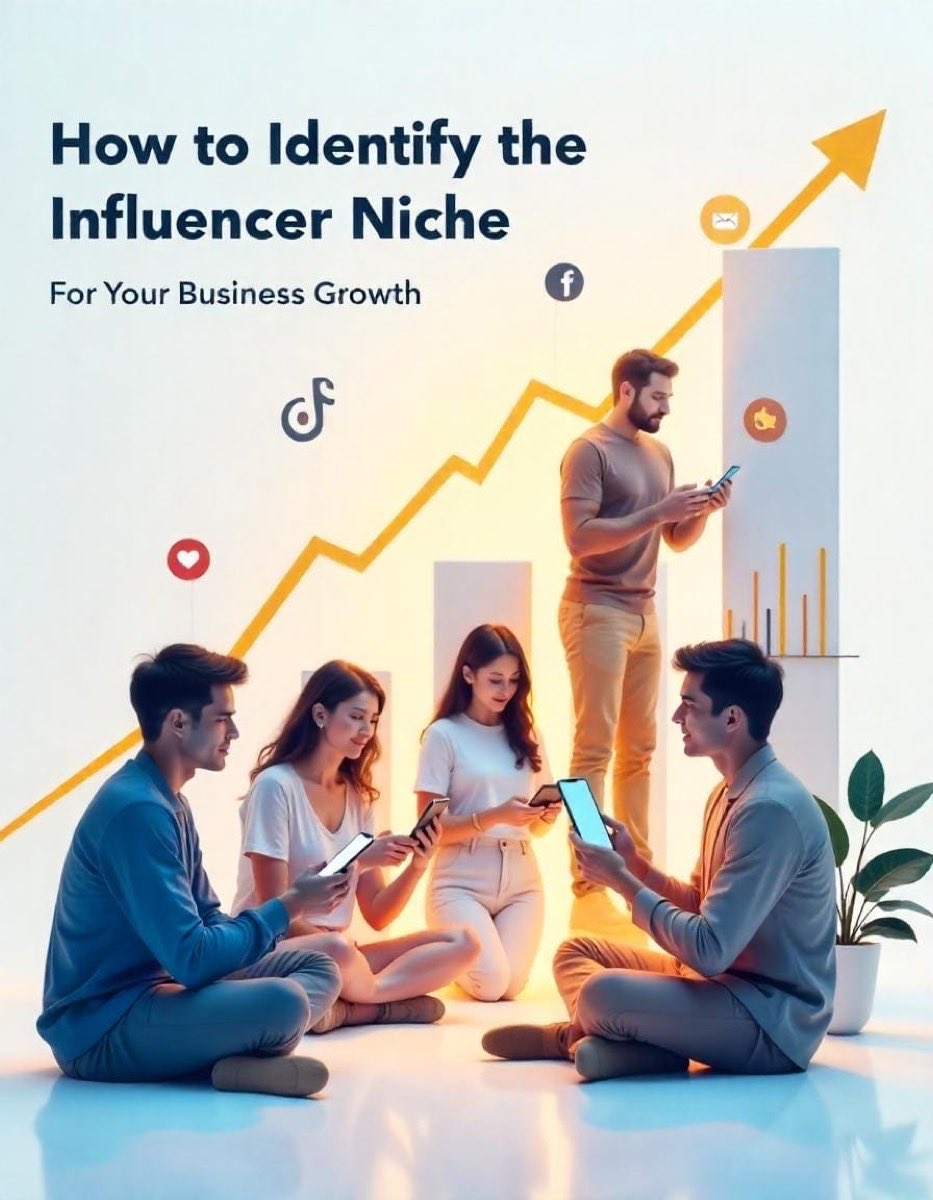
In the fast-evolving landscape of digital marketing, influencers have become a vital asset for businesses aiming to expand their reach and drive growth. The effectiveness of an influencer partnership is not only measured by their follower count or engagement levels. Instead, the alignment between the influencer's niche and your business goals is crucial for achieving meaningful business growth. Here’s a comprehensive guide on how to identify the right influencer niche that aligns with your business growth objectives.
1. Understand Your Business Goals and Audience
Before you can identify the ideal influencer niche, it’s essential to have a clear understanding of your own business goals and target audience. Ask yourself:
What are your primary business objectives? Are you looking to increase brand awareness, drive sales, or enhance customer loyalty?
Who is your target audience? Define their demographics, interests, and online behavior.
By clarifying these aspects, you’ll be better equipped to seek influencers who resonate with your goals and audience. For instance, if your objective is to boost brand awareness among millennials, collaborating with influencers who have a strong following within this age group can be beneficial.
2. Research Influencer Niches Relevant to Your Industry
Once you have a clear understanding of your business goals and target audience, delve into research to identify influencer niches that align with your industry. Influencer niches are specialized areas within a broader category where influencers have cultivated a dedicated and engaged following.
Steps to Research Influencer Niches:
Explore Industry-Specific Influencers: Look for influencers who are recognized in your industry or niche. For example, if you run a fitness brand, fitness enthusiasts, personal trainers, and wellness coaches could be relevant niches.
Analyze Competitors: Observe which influencers your competitors are working with. This can provide insights into effective niches and help you identify potential gaps in the market.
Utilize Social Media Tools: Make use of social media tools such as BuzzSumo, Hootsuite, or Traackr to identify influencers who are currently engaging in conversations about topics related to your industry.
3. Evaluate Influencer Engagement and Authenticity
Finding an influencer with the right niche is only part of the equation; their engagement and authenticity are equally important. High engagement rates and genuine interactions with followers often signify that an influencer's recommendations and endorsements carry weight.
Key Metrics to Evaluate:
Engagement Rate: Evaluate the typical number of likes, comments, and shares an influencer garners. A greater level of engagement suggests a more active and engaged audience.
Authenticity: Evaluate how authentically an influencer promotes products or services. Genuine endorsements are usually more impactful than generic or overly commercial content.
Audience Engagement: Examine the types of comments and messages the influencer receives. Positive and meaningful interactions indicate a strong bond with their audience.
4. Assess the Influencer’s Content and Style
The content and style of an influencer should align with your brand’s image and messaging. An influencer’s content should complement your brand’s voice and values to ensure a seamless partnership.
Considerations for Content Alignment:
Content Quality: Evaluate the overall quality of the influencer’s content, including visuals, writing style, and consistency.
Brand Fit: Ensure that the influencer’s content style matches your brand’s image. For example, a luxury brand might partner with influencers who have a sophisticated, high-end aesthetic.
Previous Collaborations: Review past collaborations to understand how the influencer integrates brand promotions into their content.
5. Analyze the Influencer’s Audience Demographics
The audience demographics of an influencer are critical to ensuring they align with your target market. A deep dive into the influencer’s audience profile can reveal whether their followers match your customer base.
Demographic Factors to Analyze:
Age and Gender: Ensure the influencer’s audience age and gender align with your target demographics.
Location: Consider geographic location if your business targets specific regions.
Interests and Preferences: Assess the interests and preferences of the influencer’s audience to ensure alignment with your products or services.
6. Test and Measure Campaign Effectiveness
Once you’ve identified potential influencers and launched your campaigns, it’s crucial to measure their effectiveness to determine if they contribute to your business growth.
Metrics to Track:
Conversion Rates: Monitor how well the influencer’s content drives traffic and sales to your website.
ROI (Return on Investment): Analyze the return on investment for your influencer marketing campaigns.
Feedback and Sentiment: Collect feedback from your audience to gauge their response to the influencer’s content.
7. Iterate and Refine Your Strategy
Influencer marketing is an ongoing process. Based on the performance of your initial campaigns, refine your strategy to enhance results. Continually assess the effectiveness of different influencer niches and adjust your approach to optimize business growth.
Key Takeaways for Refinement:
Learn from Data: Use analytics to understand what worked and what didn’t.
Build Long-Term Relationships: Cultivate long-term relationships with successful influencers to sustain and scale your business growth efforts.
Conclusion
Identifying the right influencer niche is a pivotal step in leveraging influencer marketing for your business growth. By understanding your goals, researching relevant niches, evaluating influencer engagement, and analyzing audience demographics, you can forge partnerships that drive meaningful and sustainable growth. Remember, the key to success lies in alignment—ensuring that both your brand and your influencer resonate with your target audience will set the foundation for impactful and fruitful collaborations.
Published 21 Apr 2025 · Updated 25 Apr 2025 · Oye Creators